
Carl Gustav Jung believed that human beings carry memories and patterns that were never personally learned, but inherited through generations. He famously stated:
“We carry within us memories that we have not acquired in our own lifetime.”
This idea led Jung to the concept of archetypes—universal, ancient patterns that shape human behavior, emotions, and life experiences.
Jung discovered that across all cultures and civilizations, people created myths and gods to represent fundamental aspects of the human psyche. These gods symbolized psychological forces such as power, pleasure, nurturing, order, emotional sensitivity, responsibility, and the search for meaning.
In ancient times, myths helped humans understand the world and the invisible forces governing life. Each deity represented a specific law of existence. For example:
Anahita in ancient Persia symbolized fertility, healing, and wisdom
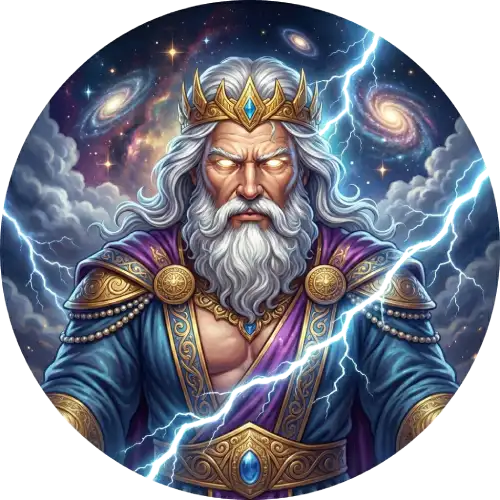
Zeus in ancient Greece represented power, authority, and foresight
Philosophers like Socrates believed that disrespecting the gods would lead to suffering—symbolically meaning that ignoring these psychological forces would create imbalance in life.
From a Jungian perspective, archetypes never disappear. When they are ignored, they express themselves unconsciously—often as stress, anxiety, addiction, or physical symptoms.
Jungian analyst Robert A. Johnson explains this clearly:
“We no longer know Zeus, so we get headaches. We no longer know Dionysus, so we get drunk.”
In modern life, we may not recognize these inner gods, but we still suffer the consequences of neglecting them.
Jung described the human psyche as layered:
Conscious mind – what we are aware of
Personal unconscious – forgotten or repressed personal experiences
Collective unconscious – a deep, ancient layer shared by all humanity
The collective unconscious contains archetypes—patterns that have repeated throughout human history. These patterns appear in myths, religion, art, literature, and modern storytelling.
As Jung said:
“The deeper you go into the psyche, the broader the foundation becomes.”
Human life follows recurring psychological patterns. Across cultures, myths symbolically transmit inner human experiences from one generation to the next.
At their core, these stories are built upon a limited number of archetypes.
We are not defined by a single personality. We are a combination of archetypes that become active in different situations, such as:
becoming a parent
forming romantic relationships
taking leadership roles
experiencing loss or crisis
seeking meaning and purpose
In each situation, certain archetypes become dominant while others remain suppressed.
The key to psychological health is awareness and balance.
Understanding your archetypes helps you:
identify your deepest motivations and needs
discover hidden talents and strengths
clarify your values and life direction
improve relationships and emotional intelligence
Your dominant archetypes show what drives you. Your suppressed archetypes reveal the source of many internal conflicts and recurring life problems.
By taking an Archetype Assessment, you can identify:
your dominant archetypes
your suppressed or neglected archetypes
This awareness allows you to consciously balance these inner forces. Over time, this leads to greater harmony in career, relationships, emotional well-being, and personal fulfillment.
To discover your inner gods and goddesses, take the Jungian Archetype Test available on this website.
Every human life can be seen as a journey—a repeating cycle of challenge, growth, and transformation. This process is known as the Hero’s Journey.
When a crisis occurs—illness, loss, or relationship conflict—we move through different archetypal stages:
denial and innocence
vulnerability and pain
seeking help and support
courage, action, and discipline
reflection, healing, and wisdom
Each stage activates a different archetype. By moving consciously through this process, we grow beyond who we were before.
The Hero’s Journey is not a one-time event. It is an inner journey that continues throughout life.
By understanding Jungian archetypes, you gain deeper insight into yourself, your relationships, and your life path.
👉 Take the Archetype Test on this site and begin your journey toward psychological balance and self-awareness.
From a psychological perspective, ruling the heavens requires power, control, and logic. Men who are rulers of their own lives—those who take control of everything and succeed in doing so—possess a personality similar to Zeus.
The Zeus archetype prepares an individual to live through logic. He is rational, confident, and expresses his existence and power through words. He deals with matters such as money, capital, law, and power, and is disconnected from his heart and emotions.
Such individuals are generally wealthy and possess strong, authoritative personalities. They consider money and power to be an essential part of their sense of worth and desirability.
He acts in this way and it leads to his success. Anything related to law and order falls within his domain. He represents the Greeks’ interest in matters that are understandable, defined, and measurable, and their avoidance of issues that are imaginary, vague, or without form.
Such individuals are committed, rule-oriented, and well-mannered. They are consistently neat and organized, and by adapting and aligning themselves with society, they maintain a sense of security and psychological and behavioral stability.
They operate primarily within the realm of reason and feel comfortable dealing with matters that can be understood and measured logically.
Men in whom the energy of this archetype is more strongly present are usually individuals with quick and dynamic minds, who move through different—and sometimes even opposing—fields and environments.
The Hermes man is the ruler of unexpected events, good fortune, accidents, and synchronicity. It is Hermes who brings movement, flow, and new beginnings. He is a master of initiative and creativity.
He speaks fluently and simply. Boundaries are of little importance to him, and he can easily cross them, moving effortlessly from one level to another.
Poseidon is the ruler of the seas and horses. Poseidon, who has direct access to emotions and intense feelings, is present in poets, playwrights, musicians, and even psychologists.
In general, individuals with an emotional and passionate nature consider this realm important and valuable. They allow themselves to express their emotions and give them a voice.
Poseidon’s emotional temperament is one of his most well-known characteristics. At times, he can be ill-tempered, angry, destructive, and dangerous. At the same time, he also possesses the ability to calm stormy seas.
The Ares man is confident, bold, active, and emotional. He usually does not think before reacting. In different situations, he has the ability to respond quickly.
These individuals possess strong and powerful bodies. At times, without even realizing it, their muscles tense up and their fingers clench into fists. They place great importance on their physique and physical appearance and consistently maintain their physical fitness.
Bodybuilding is the preferred sport of these individuals. In general, they are highly aware of and understand their body language.
Hades is the god of the dead and the underworld—both of which are symbols of the unconscious within the human psyche. Therefore, the most prominent descriptions of Hades are the depth and coldness of his character. The inner pain of Hades may arise from this very depth. In fact, he possesses a profound understanding of life.
Most philosophers and mystics have a strong Hades archetype. Hades symbolizes grief, sorrow, mourning, and loneliness. He is withdrawn, introverted, and at times detached from the world.
The atmosphere of Hades is heavy and low. It is dark, gloomy, dry, and distinctly black. These individuals are deeply introverted and closed-off, with a very high level of understanding. They are often silent, and because they perceive every matter deeply, they tend to look at the world with a sense of wise detachment. Each time, they are astonished by the extent of ignorance they witness.
Dionysus is an archetype in which both masculine and feminine tendencies are present. This archetype allows a person to live fully in the present moment.
Individuals with a strong Dionysus archetype have an intense desire for mental ecstasy and altered states of consciousness, whether through external or internal means. To achieve this state, they may use any available method—through meditation or through psychoactive substances.
They enter trance states easily. Alcohol consumption for them is effortless and frequent. They often turn to drugs and experiment with various kinds.
They have a strong interest in spirituality and mysticism. They are also deeply attracted to magic and the supernatural, and at times actively seek out these realms.
The presence of this archetype in a person expresses a deep inner need to create things that are both beautiful and useful. Hephaestian men are individuals through whose hard work and sweat civilization has grown.
He is unmatched in his workshop, yet—like the modern human who confuses identity with work—outside the workshop, he often lacks effectiveness and functionality.
Hard and excessive work, being caught in sorrow, burning with resentments, creative labor, genius in innovation, and commitment to human values all symbolize the deep human desire to build and create new things that are functional and beautiful.
Athena was renowned as the goddess of reason for her strategic thinking and practical solutions. As an archetype, Athena represents the personality pattern of women who are governed by their intellect and do not follow their hearts.
Clear thinking, resilience at the peak of emotional crisis, and the ability to strategize are among her innate qualities. Athena values rational thought and considers the realms of will and intellect superior to instinct and raw nature.
With the presence of Athena in the psychological structure, a woman becomes conscious of her actions and of the ways through which she can achieve her goals.
In individuals where this archetype is actively present, a strong passion for life is evident. They interact with life energetically and enjoy deep connections with others. They remain consistently in love with life and maintain a continuous desire for creativity, renewal, and expression.
Even in routine tasks, they act with freshness and creativity, as if experiencing them for the first time. They are drawn to bright, pure, and vivid colors in clothing and living spaces.
At social gatherings, they often become the center of attention, and their presence is enjoyable for both themselves and others. Aphrodite women are typically simple or lightly made-up, yet naturally attractive and lovable, with a simplicity that enhances rather than diminishes their charm.
Individuals with the Artemis personality type are independent and goal-oriented. They love untouched nature and feel most themselves when they are in it. They are confrontational, uncompromising, and rarely back down in any situation—especially when dealing with men.
They have a fast, intense, and reactive temperament and reject the role of weakness. They seek qualities that are unconventional and nontraditional for women. Running and endurance sports are among their favorite activities.
Above all, they value freedom, independence, and autonomy. If anyone attempts to limit their freedom in any way, they will fight back fiercely and may even destroy the opponent—even at the cost of destroying themselves.
These individuals have a strong desire for marriage, partnership, and shared life. They see the central purpose of their lives—and their personal growth—as being fulfilled through marriage.
Loyalty, diplomacy, endurance, and jealousy are among the core traits of this personality type. In their eyes, their partner is the best, most beautiful, most complete, and most suitable person in the world, and they do not listen to anyone else’s opinions about them.
Persephone represents maidenhood, spring, acceptance, and transformation, and symbolizes separation anxiety from the mother, or more broadly, separation anxiety from a former life when entering a new one.
From a psychological perspective, Persephone—because of her journey into the underworld—is deep and capable of reaching high levels of self-awareness.
Persephone has two distinct aspects. The first is the naïve maiden, at the early stage of life, who has little desire to be an active agent, feels no real sense of responsibility, and does not take her actions seriously. The second is Persephone the Queen—a woman who has learned how to adapt to experience and grow through it.
Demeter is the archetype of the mother and the earth, representing the deep desire for birth, nurturing, and physical, emotional, and psychological nourishment. She embodies the ideal mother—generous, caring, and highly sensitive to the needs of others.
For Demeter, the image of a mother breastfeeding her child is the most sacred and meaningful expression of life. Her longing for motherhood is so strong that childbirth is often experienced with ease, satisfaction, and even joy.
A Demeter woman, above all else, identifies as a mother and is deeply self-sacrificing, supportive, and nurturing in her relationships.
Hestia women embody calmness, modesty, and inner harmony. They are introverted, enjoy solitude, and create a peaceful, spiritual atmosphere wherever they are.
They do not interfere in others’ lives and live without a social mask, remaining deeply authentic. For them, the home is sacred, like a temple, and caring for it is a meaningful and devoted practice.
If the Innocent archetype is active within you, you know deeply that there is always a glimmer of hope in every hardship and darkness of life. Very often, the Innocent is the first archetype we encounter.
This archetype represents trust in others and in the world. The Innocent personality resembles a child who depends on others to carry out tasks. When faced with difficulties, the Innocent usually increases effort and tries to demonstrate greater faith and worthiness.
At its core, the Innocent believes that effort and good deeds will eventually lead to positive outcomes and rewards.
If the Orphan archetype is active within you, you believe that caution is always necessary. The Orphan is a child whose needs are not met and whose cries go unanswered.
As an adult, the Orphan becomes someone caught in inner weaknesses, tragic events, oppressive people, or physical illness. Such individuals often grow suspicious, justify their sense of victimhood, or manipulate others to compensate for their suffering.
If the Warrior archetype is active within you, you believe that those who are tough and resilient ultimately succeed. The strengths and skills of the Warrior include perseverance in the face of difficulties, the ability to create and maintain boundaries, the courage to pursue personal goals, endurance in struggle, and commitment to the path of victory.
The Warrior is drawn to competition and battle. A misguided or undeveloped Warrior behaves like a destructive and merciless Attila.
The Warrior’s growth and development come through deeper understanding of those he perceives as enemies. Even the noblest Warriors struggle with the inherent challenges and weaknesses of this archetype and may suffer because of them.
They are often unmotivated and emotionally detached, and for this reason, they have difficulty expressing intimacy and vulnerability—even with those closest to them.
If the Caregiver archetype is active within you, you believe that helping others is your duty and responsibility. Caregivers are generally compassionate and humane, and they genuinely enjoy supporting others—though they are not always as kind to themselves.
Because they feel deep closeness and attachment to their children and loved ones, they may unconsciously keep these people dependent on them. A well-developed Caregiver, through kindness and sincerity, brings motivation and warmth into the world.
In contrast, an underdeveloped or exhausted Caregiver may fall into a form of excessive and dual dependency, using helping others as a way to avoid or deny their own personal problems.
The Caregiver within you continually creates the opportunity to live with true humanity and genuine integrity.
If the Seeker archetype is active within you, it often feels as though there is always another place where the grass looks greener.
The Seeker brings the capacity for adventure, exploration, and responding to our unique needs and desires. On one hand, the Seeker wants to blend in and belong; on the other, he seeks to acknowledge and fulfill his inner and individual needs.
On one side, he fears stepping onto the path of personal growth and individuation, and on the other, he is deeply afraid of the emptiness of living a life that does not respond to his inner and unique needs.
If the Lover archetype is active within you, you believe that love is the ultimate answer to life. While romantic love is the most familiar expression of this archetype, anyone who deeply loves a person, activity, or ideal embodies the Lover.
Lovers are often charismatic and attractive, naturally drawing others toward them. Their inner tension lies between the desire to experience love fully and the need to commit to one person or path.
The Lover seeks deep union—with a partner, work, community, or spirituality—but this merging carries the risk of losing personal identity. The Lover’s central challenge is maintaining commitment while preserving the self. When balanced, the Lover’s energy brings connection, passion, affection, and the ability to love deeply.
If the Destroyer archetype is active within you, you are able to let go and prevent further harm. The Destroyer may appear as someone who has been wounded by loss or failure and seeks to rebuild life, or as someone who consciously chooses new paths and experiences.
In the modern world, many people fear the actions of the Destroyer, yet mythological stories often speak of new life emerging after death or collapse. When we befriend the Destroyer within, the fear of losing what we have fades, and we become able to trust the unknown.
If the Creator archetype is active within you, you believe that human beings possess the ability to create anything that can be imagined. The Creator may express this through literature, visual arts, music, or other artistic work, but may also appear as an entrepreneur, inventor, innovator, or anyone who actively uses imagination in daily life.
The Creator lives through imagination and active creation. However, when unbalanced, the Creator may become so rigid and driven that everything and everyone turns into a tool for artistic plans, draining life of its simple pleasures.
Nature itself is the ultimate Creator—an unparalleled artist whose creations are visible everywhere.
If the Ruler archetype is active within you, you believe in the need for control and authority. The Ruler archetype offers the opportunity to lead and to shape a life aligned with one’s personal values.
This archetype is commonly found in people who hold power and in those who take responsibility for managing organizations or families. The Ruler must choose whether to use available power for personal gain or for the greater good and collective well-being.
At its core, the Ruler archetype represents awareness of the connection between the inner and outer worlds. When order exists within, one is better able to bring order to the world outside.
If the Magician archetype is active within you, you believe that perception creates reality. By transforming understanding, the Magician brings change into the world through deep insight and inner–outer alignment.
Rather than holding power directly, the Magician works behind the scenes—revealing hidden forces, awakening others’ potential, and turning inner desires into lived reality.
If the Sage archetype is active within you, you believe that truth leads to freedom. While the Lover and the Magician reveal the desires of the heart, the Sage helps you let go of imagined desires in order to accept reality as it is.
The Sage deeply values truth, while also knowing that personal perception shapes what we call truth, making it relative. The Sage’s primary motivation is the search for truth—or getting as close to it as possible—to satisfy intellectual curiosity.
The energy of the Sage offers the opportunity to gain knowledge and the freedom that comes from understanding truth.
If the Jester archetype is active within you, you seek life primarily for joy and enjoyment. The Jester appears in comedians, humorists, satirists, and light-hearted individuals who bring laughter and playfulness wherever they go.
The Jester wants to fully taste and experience life. He often finds ways to enjoy unpleasant tasks or to delegate them. More than other archetypes, the Jester values the present moment and uses humor to ease anger, embarrassment, and conflict.