Jungian Archetypes: Understanding the Hidden Forces Shaping Your Life
Carl Gustav Jung believed that human beings carry memories and patterns that were never personally learned, but inherited through generations. He famously stated:
We carry within us memories that we have not acquired in our own lifetime.
This idea led Jung to the concept of archetypes—universal, ancient patterns that shape human behavior, emotions, and life experiences.
The Zeus Archetype
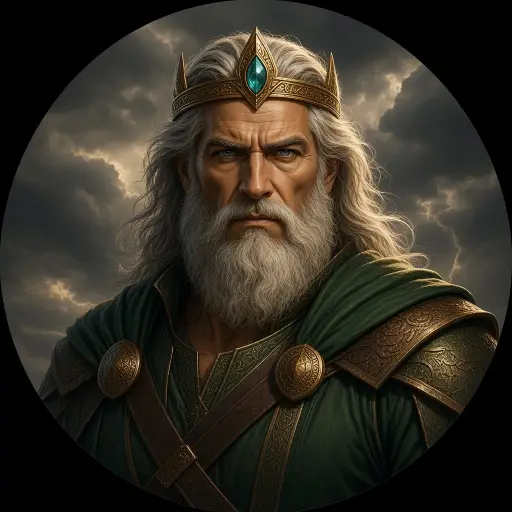
From a psychological perspective, ruling the heavens requires power, control, and logic. Men who are rulers of their own lives—those who take control of everything and succeed in doing so—possess a personality similar to Zeus.
The Zeus archetype prepares an individual to live through logic. He is rational, confident, and expresses his existence and power through words. He deals with matters such as money, capital, law, and power, and is disconnected from his heart and emotions.
Such individuals are generally wealthy and possess strong, authoritative personalities. They consider money and power to be an essential part of their sense of worth and desirability.
The Apollo Archetype
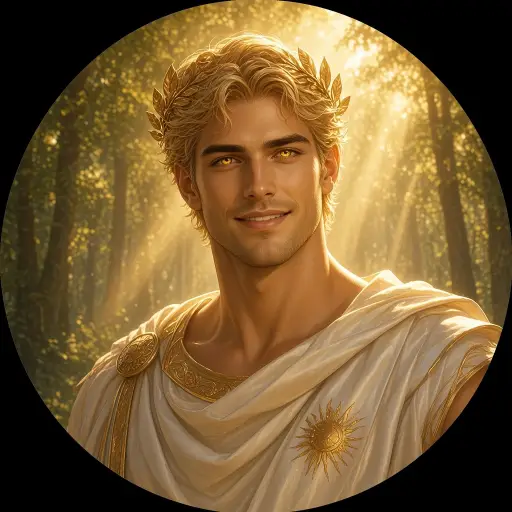
He acts in this way and it leads to his success. Anything related to law and order falls within his domain. He represents the Greeks’ interest in matters that are understandable, defined, and measurable, and their avoidance of issues that are imaginary, vague, or without form.
Such individuals are committed, rule-oriented, and well-mannered. They are consistently neat and organized, and by adapting and aligning themselves with society, they maintain a sense of security and psychological and behavioral stability.
They operate primarily within the realm of reason and feel comfortable dealing with matters that can be understood and measured logically.

The Hermes Archetype
Men in whom the energy of this archetype is more strongly present are usually individuals with quick and dynamic minds, who move through different—and sometimes even opposing—fields and environments.
The Hermes man is the ruler of unexpected events, good fortune, accidents, and synchronicity. It is Hermes who brings movement, flow, and new beginnings. He is a master of initiative and creativity.
He speaks fluently and simply. Boundaries are of little importance to him, and he can easily cross them, moving effortlessly from one level to another.
The Poseidon Archetype
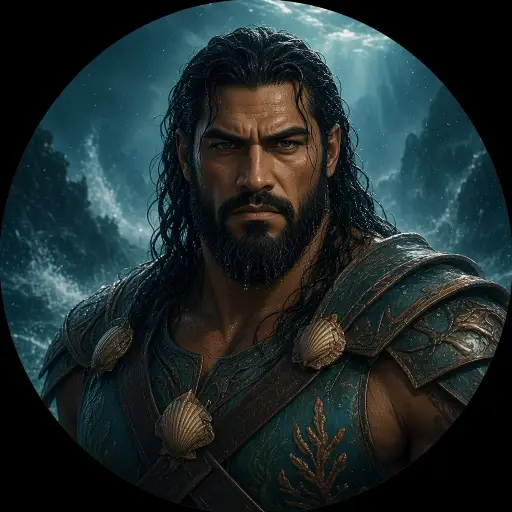
Poseidon is the ruler of the seas and horses. Poseidon, who has direct access to emotions and intense feelings, is present in poets, playwrights, musicians, and even psychologists.
In general, individuals with an emotional and passionate nature consider this realm important and valuable. They allow themselves to express their emotions and give them a voice.
Poseidon’s emotional temperament is one of his most well-known characteristics. At times, he can be ill-tempered, angry, destructive, and dangerous. At the same time, he also possesses the ability to calm stormy seas.
The Ares Archetype
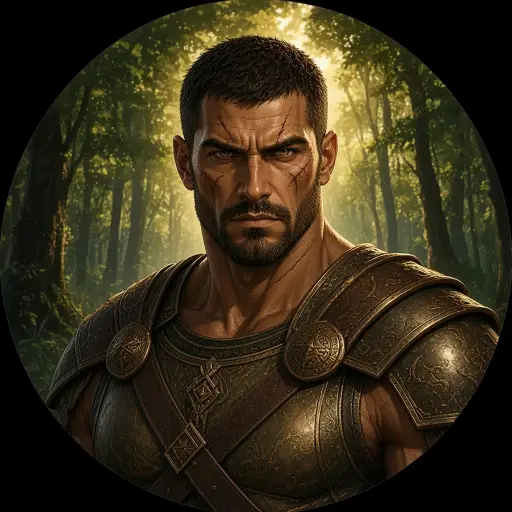
The Ares man is confident, bold, active, and emotional. He usually does not think before reacting. In different situations, he has the ability to respond quickly.
These individuals possess strong and powerful bodies. At times, without even realizing it, their muscles tense up and their fingers clench into fists. They place great importance on their physique and physical appearance and consistently maintain their physical fitness.
Bodybuilding is the preferred sport of these individuals. In general, they are highly aware of and understand their body language.

The Hades Archetype
Hades is the god of the dead and the underworld—both of which are symbols of the unconscious within the human psyche. Therefore, the most prominent descriptions of Hades are the depth and coldness of his character. The inner pain of Hades may arise from this very depth. In fact, he possesses a profound understanding of life.
Most philosophers and mystics have a strong Hades archetype. Hades symbolizes grief, sorrow, mourning, and loneliness. He is withdrawn, introverted, and at times detached from the world.
The atmosphere of Hades is heavy and low. It is dark, gloomy, dry, and distinctly black. These individuals are deeply introverted and closed-off, with a very high level of understanding. They are often silent, and because they perceive every matter deeply, they tend to look at the world with a sense of wise detachment.
The Dionysus Archetype
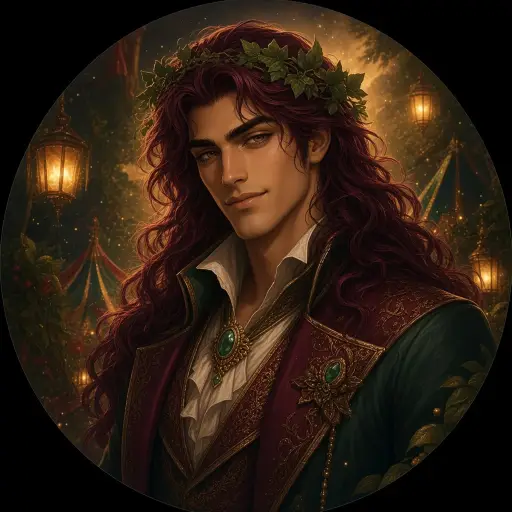
Dionysus is an archetype in which both masculine and feminine tendencies are present. This archetype allows a person to live fully in the present moment.
Individuals with a strong Dionysus archetype have an intense desire for mental ecstasy and altered states of consciousness, whether through external or internal means. To achieve this state, they may use any available method—through meditation or through psychoactive substances.
They enter trance states easily. Alcohol consumption for them is effortless and frequent. They often turn to drugs and experiment with various kinds.
They have a strong interest in spirituality and mysticism. They are also deeply attracted to magic and the supernatural, and at times actively seek out these realms.
The Hephaestus Archetype
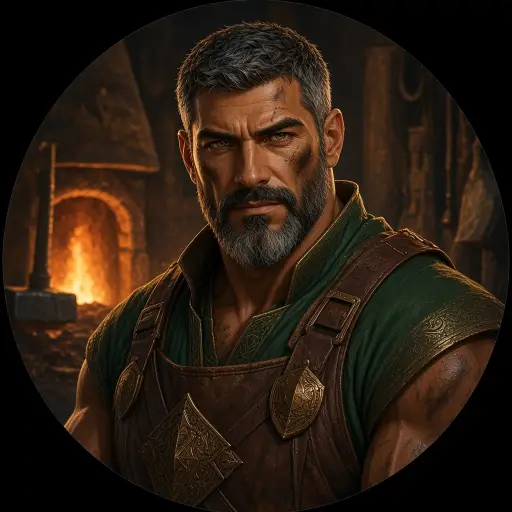
The presence of this archetype in a person expresses a deep inner need to create things that are both beautiful and useful. Hephaestian men are individuals through whose hard work and sweat civilization has grown.
He is unmatched in his workshop, yet—like the modern human who confuses identity with work—outside the workshop, he often lacks effectiveness and functionality.
Hard and excessive work, being caught in sorrow, burning with resentments, creative labor, genius in innovation, and commitment to human values all symbolize the deep human desire to build and create new things that are functional and beautiful.